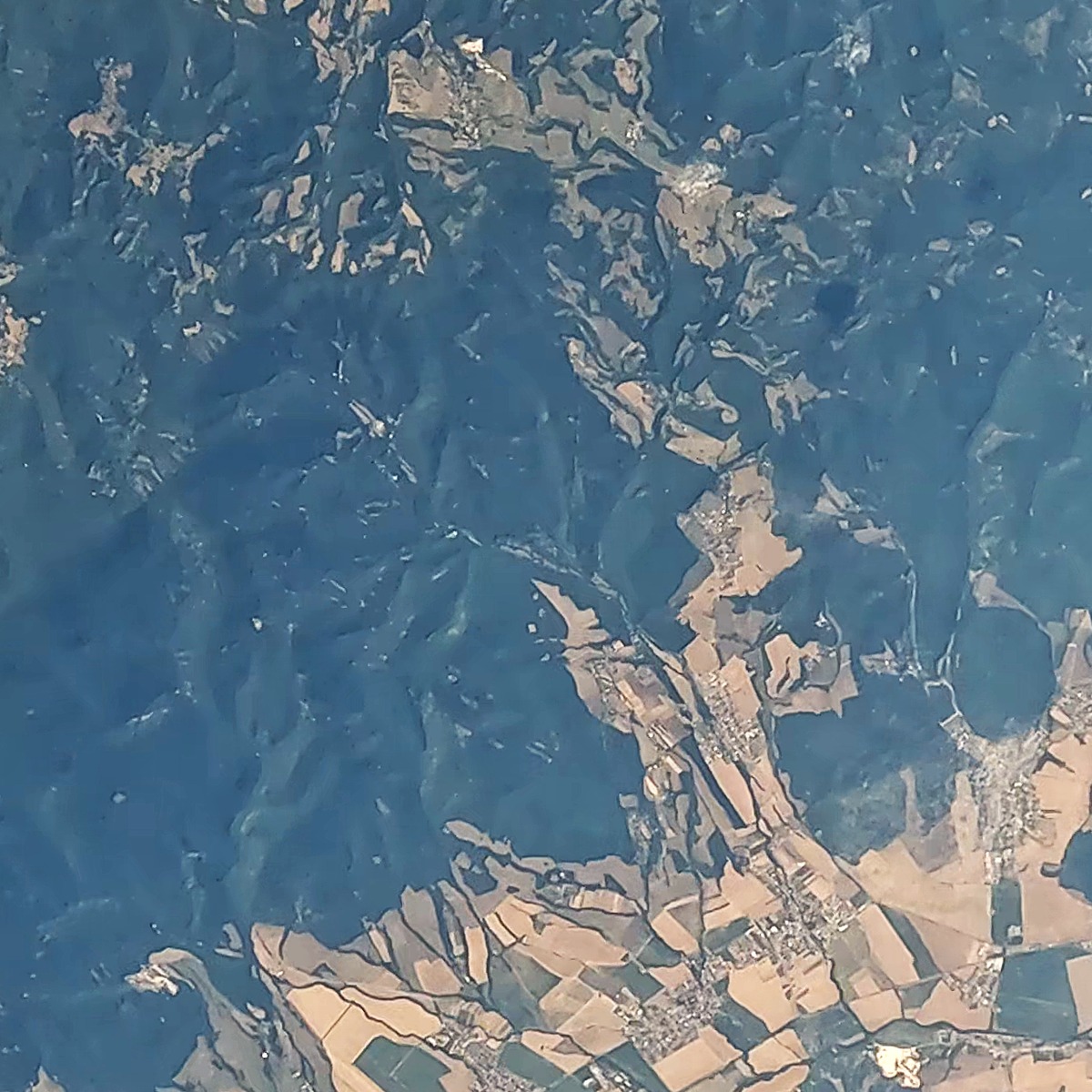
Earth observation
Mapping, surveying and environmental monitoring with persistent coverage.

A solar-powered aircraft designed to stay in the stratosphere for weeks at a time — persistent Earth observation and communications, closer than any satellite, longer than any aircraft.
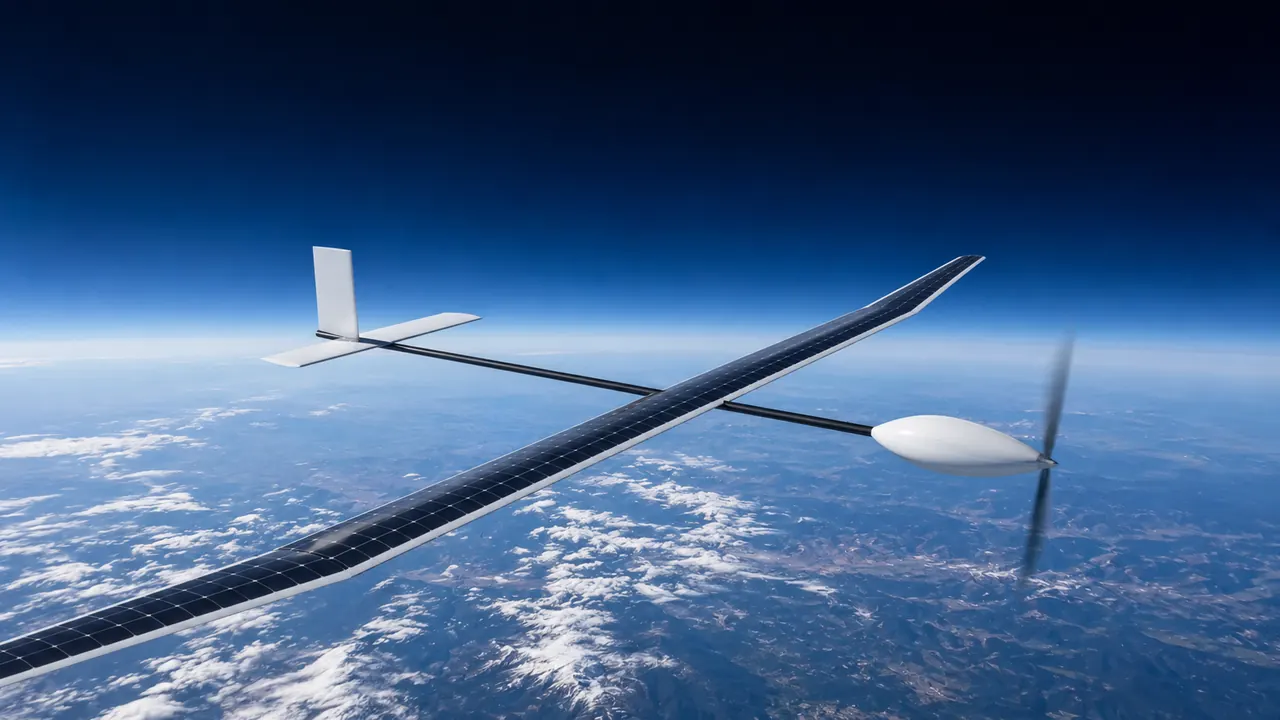
Photon is built to loiter above a target area for days or even weeks — a flexible, cost-effective alternative to satellites for remote sensing, atmospheric research, disaster monitoring and secure communications.
Global coverage, but brief overpasses and high cost per revisit.
Holds station for weeks — closer than orbit, longer than any aircraft.
Fast to task, but endurance measured in hours, not days.
Solar-powered loiter for weeks at a time in the stratosphere.
Launchable rapidly, without heavy infrastructure.
Bay sized for sensing and communications packages.
From Earth observation to resilient links — Photon is meant to hold station over one area for as long as the mission needs.
Mapping, surveying and environmental monitoring with persistent coverage.
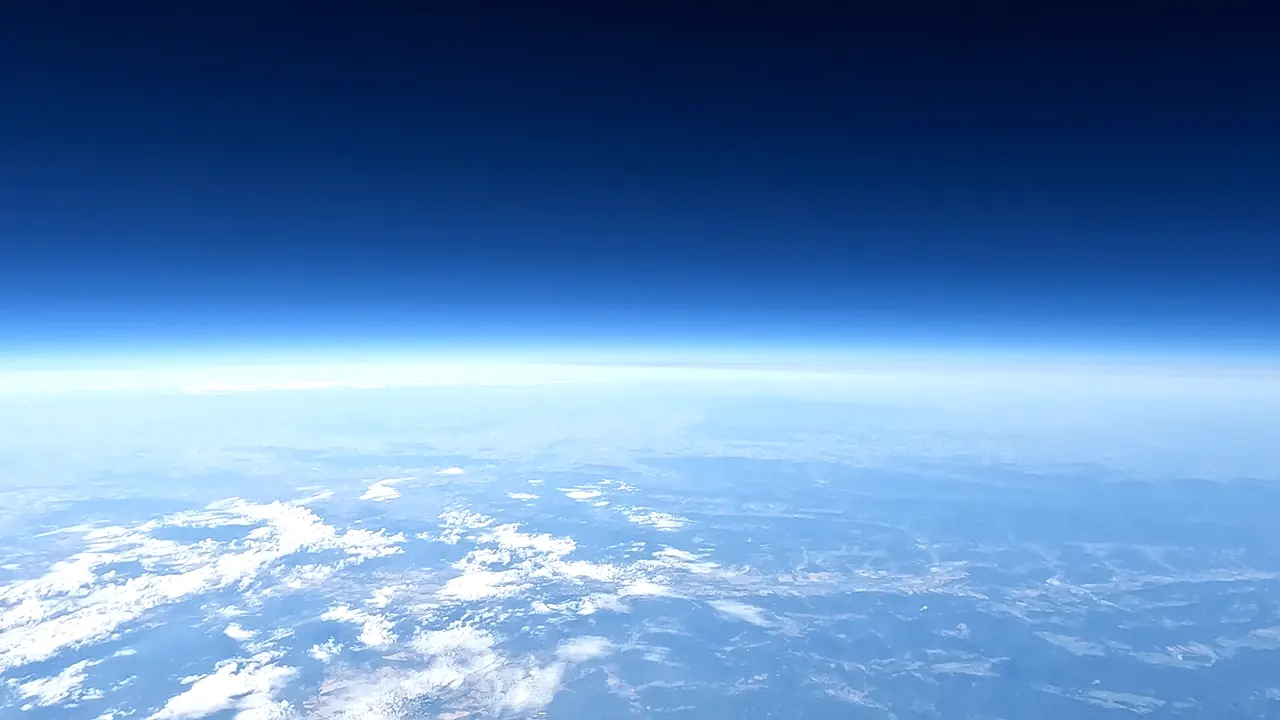
Climate and atmospheric science with a long dwell over the region of interest.
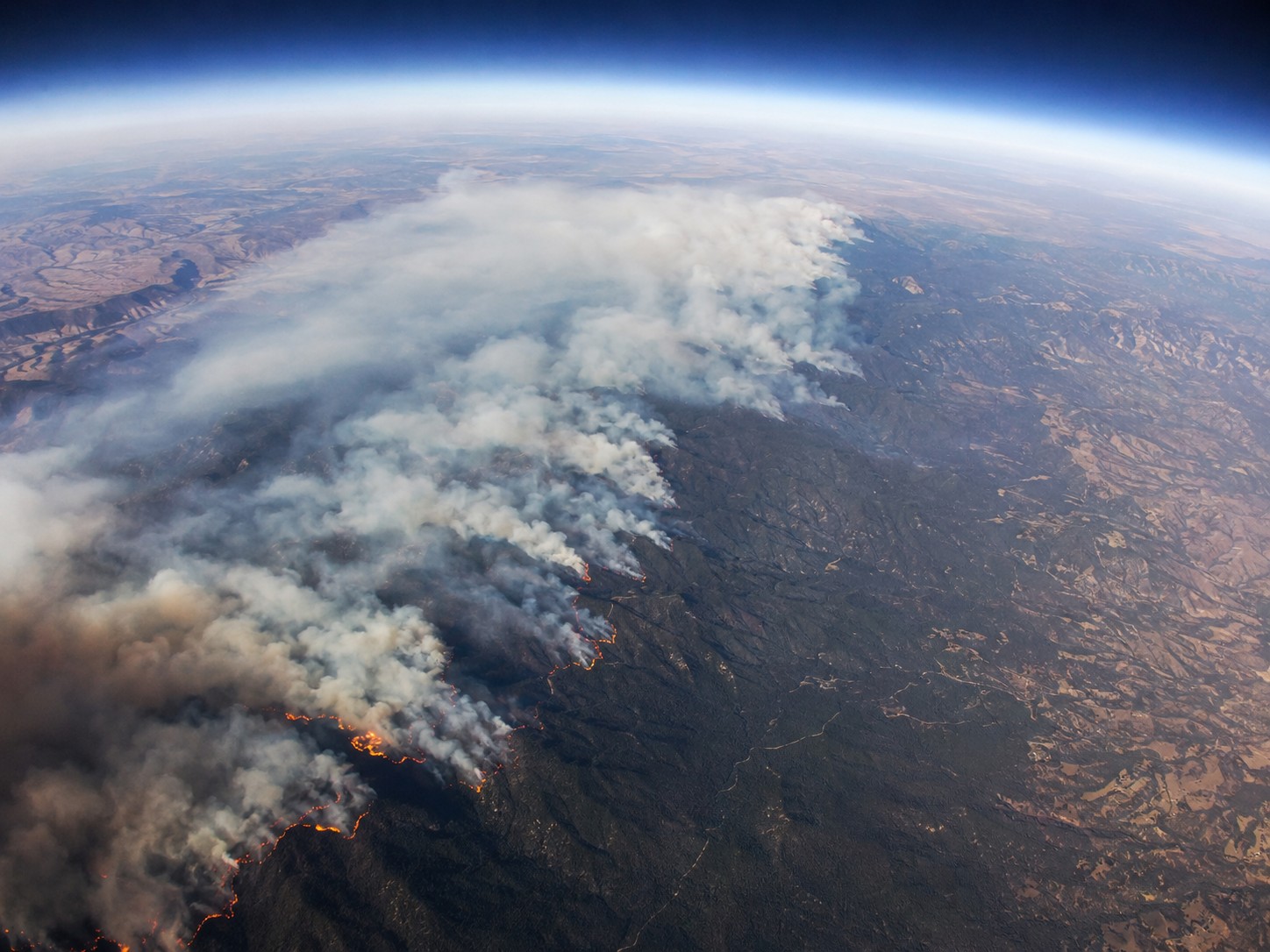
Eyes over an area for as long as it takes — fire, flood or recovery.
Intelligence, surveillance and reconnaissance with persistent dwell.
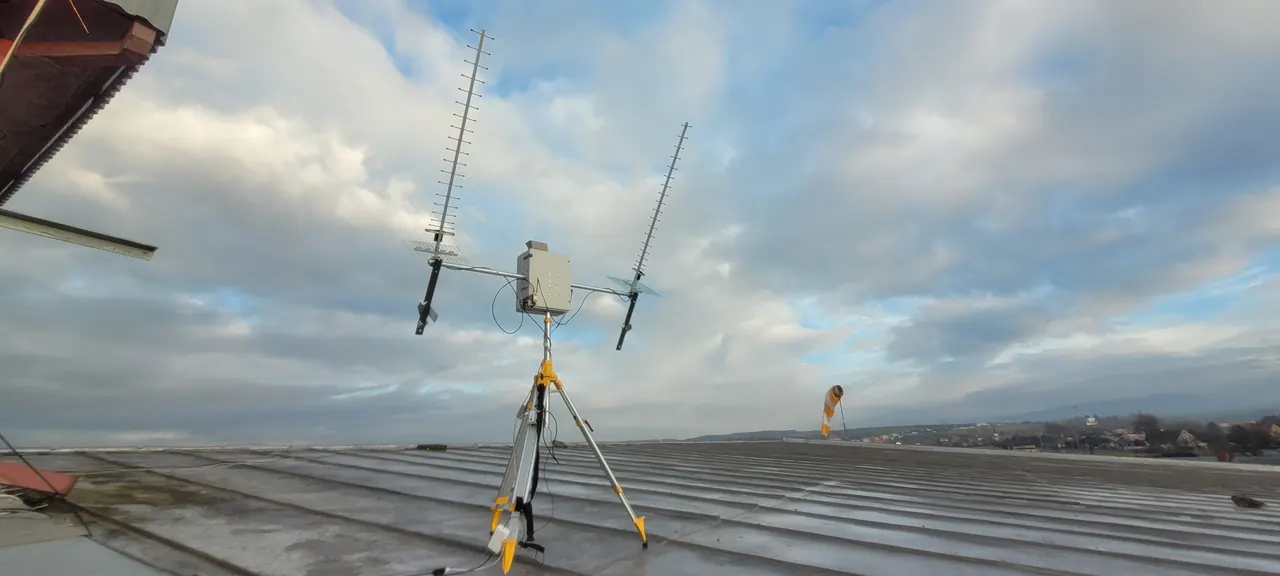
Independent links when ground infrastructure is remote or denied.
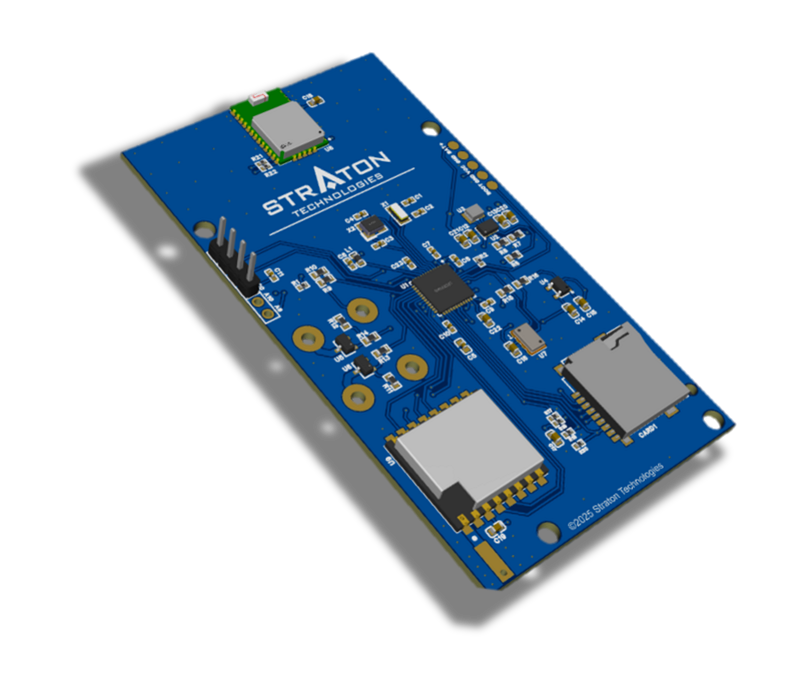
Together with the Straton Glider, our communications network and embedded systems, Photon closes a self-sufficient stratospheric stack — civil and defence missions on the same foundation.
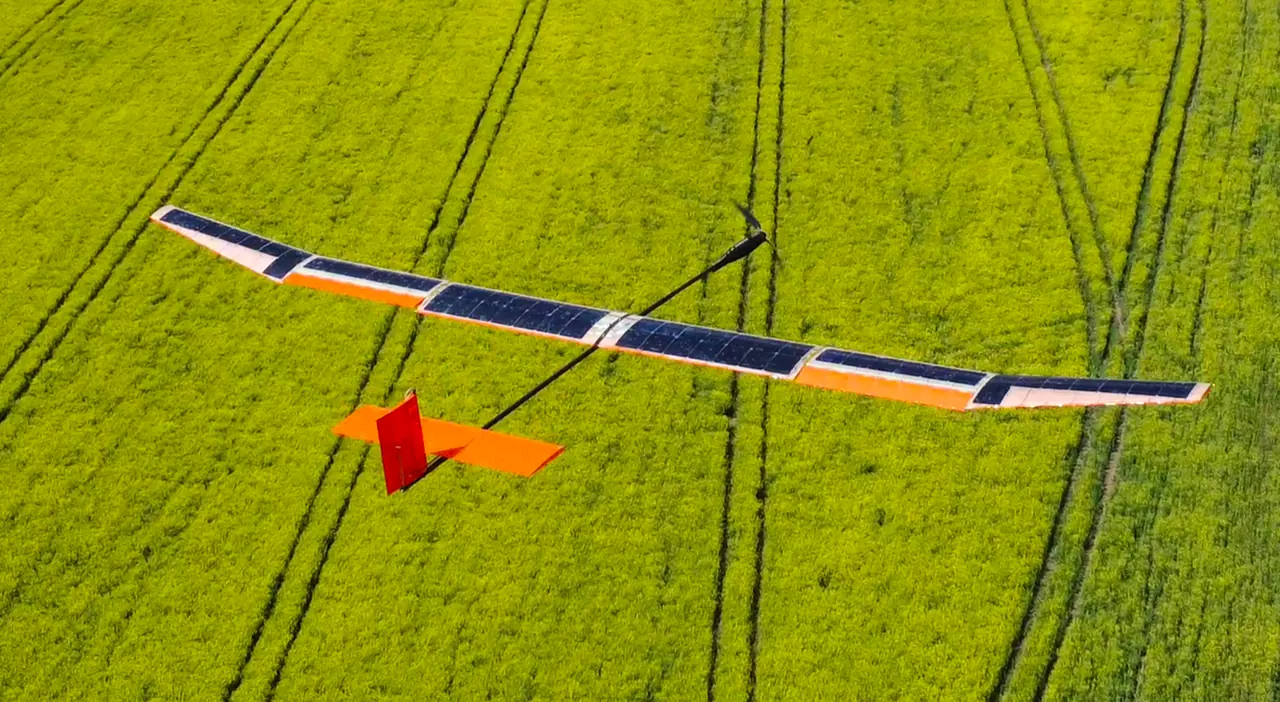
The Aurora technology demonstrator — a 5.6 m wingspan solar aircraft built for low-altitude test flights — is proving the energy-management approach behind Photon before we scale to 18–20 km.
The same solar heritage feeds Phoenix — our long-endurance reconnaissance UAV programme.
Explore Phoenix →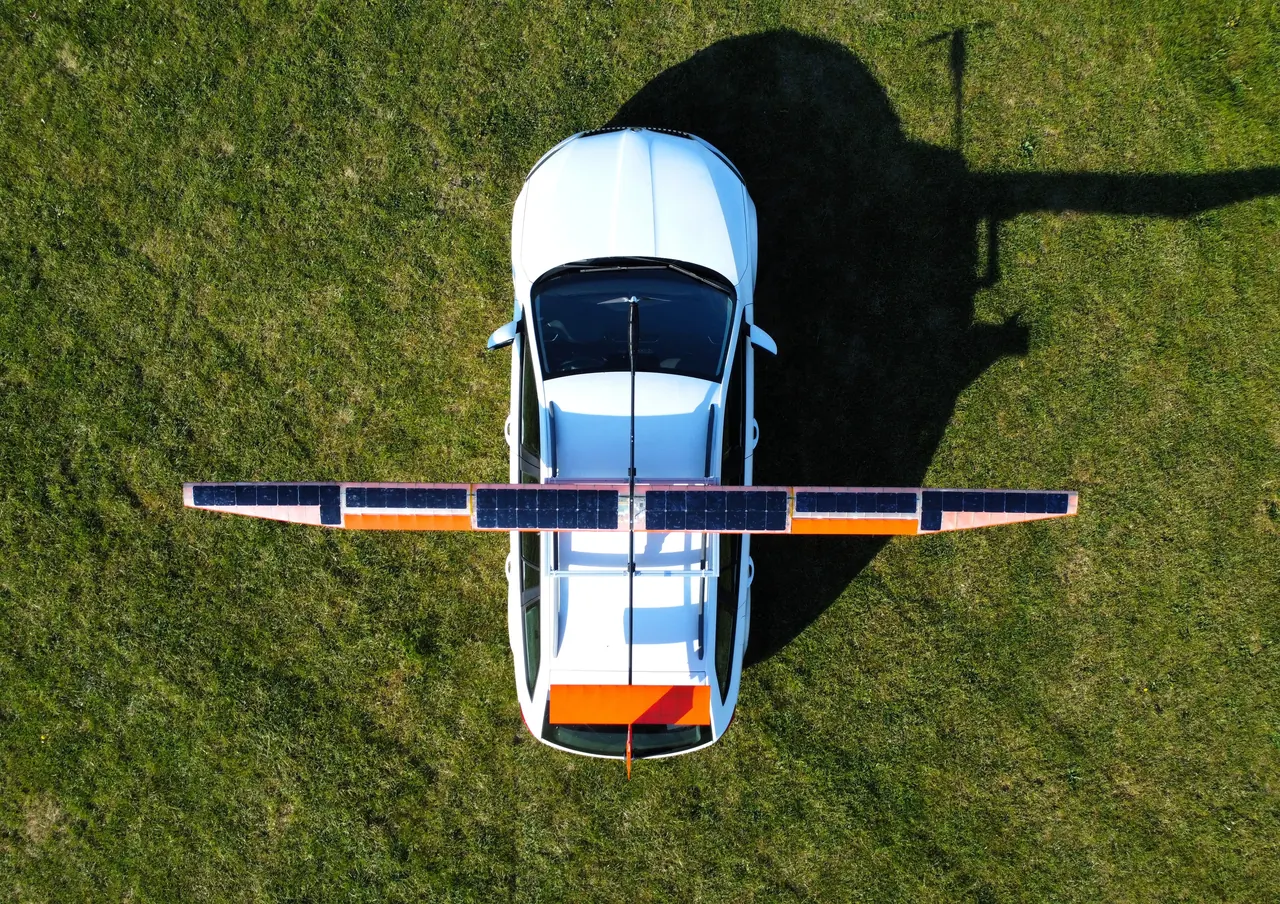
First flights of the Aurora technology demonstrator — low-altitude validation for the energy and control stack behind Photon.